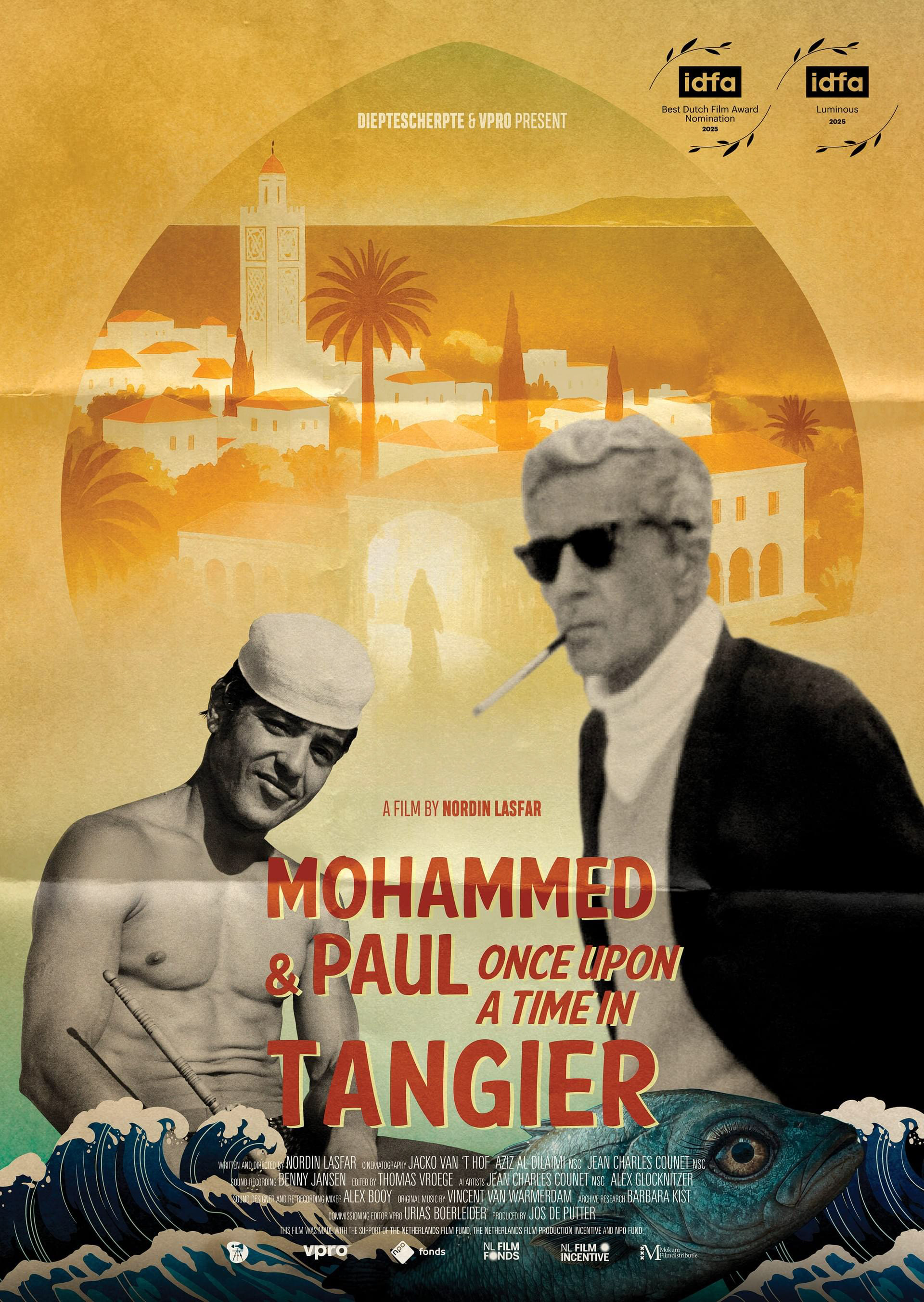
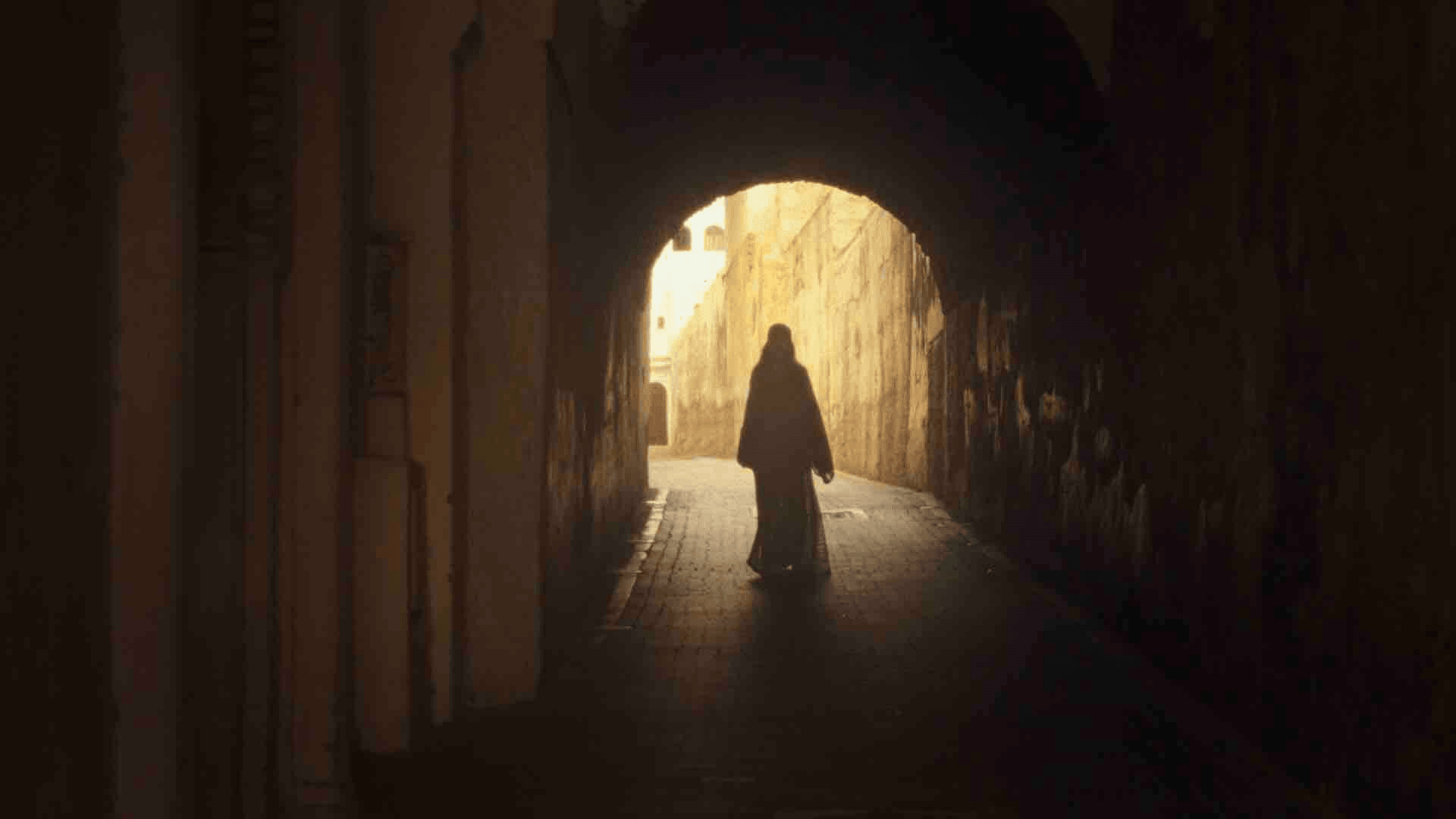
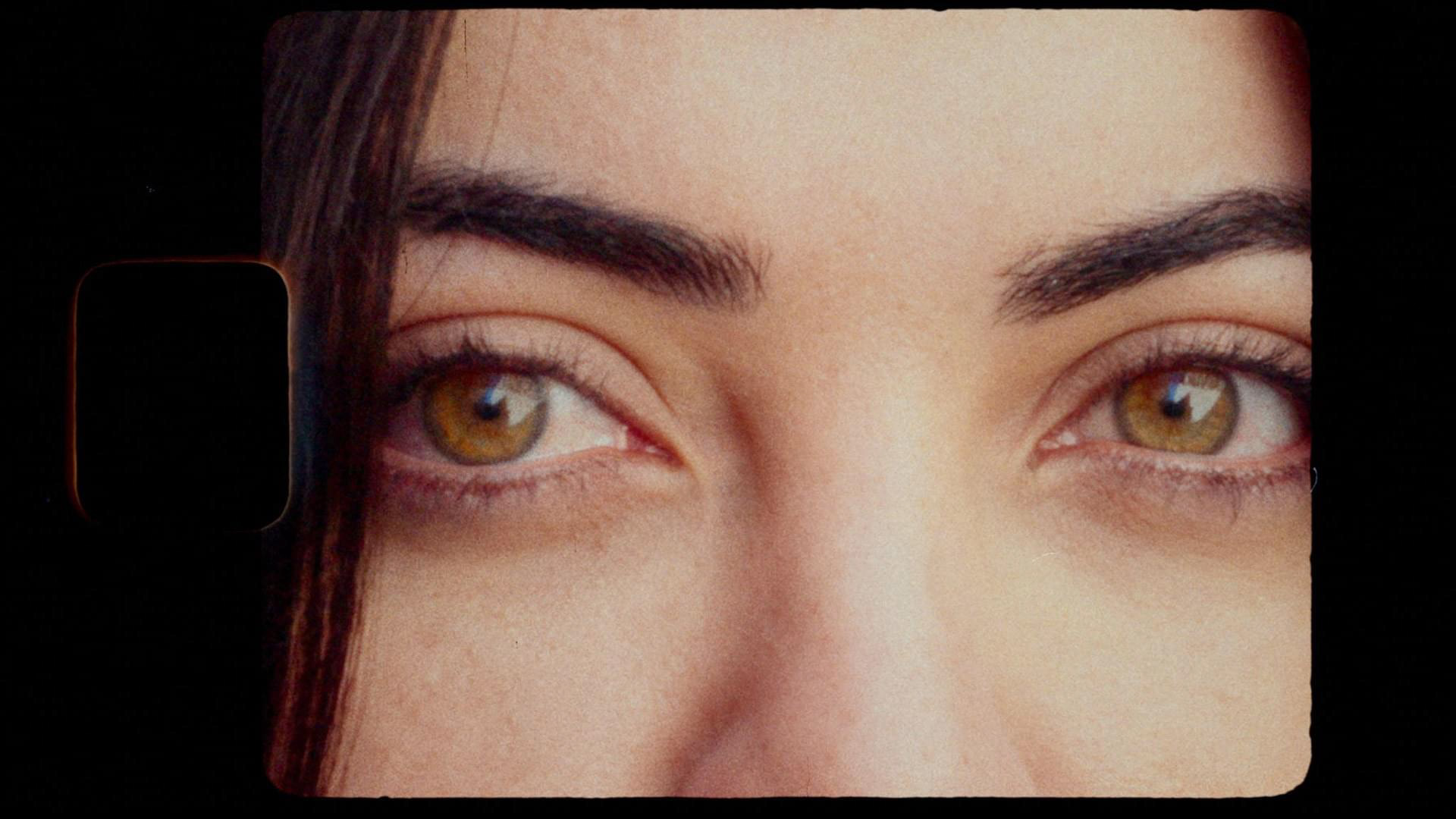
For Mohammed & Paul, director Nordin Lasfar called me with exactly such a brief. He needed images of fish that talk. A woman whose hair is on fire. A palace hiding inside a melon. I said yes immediately. Between you and me: at that moment I had no idea how I was going to do it.
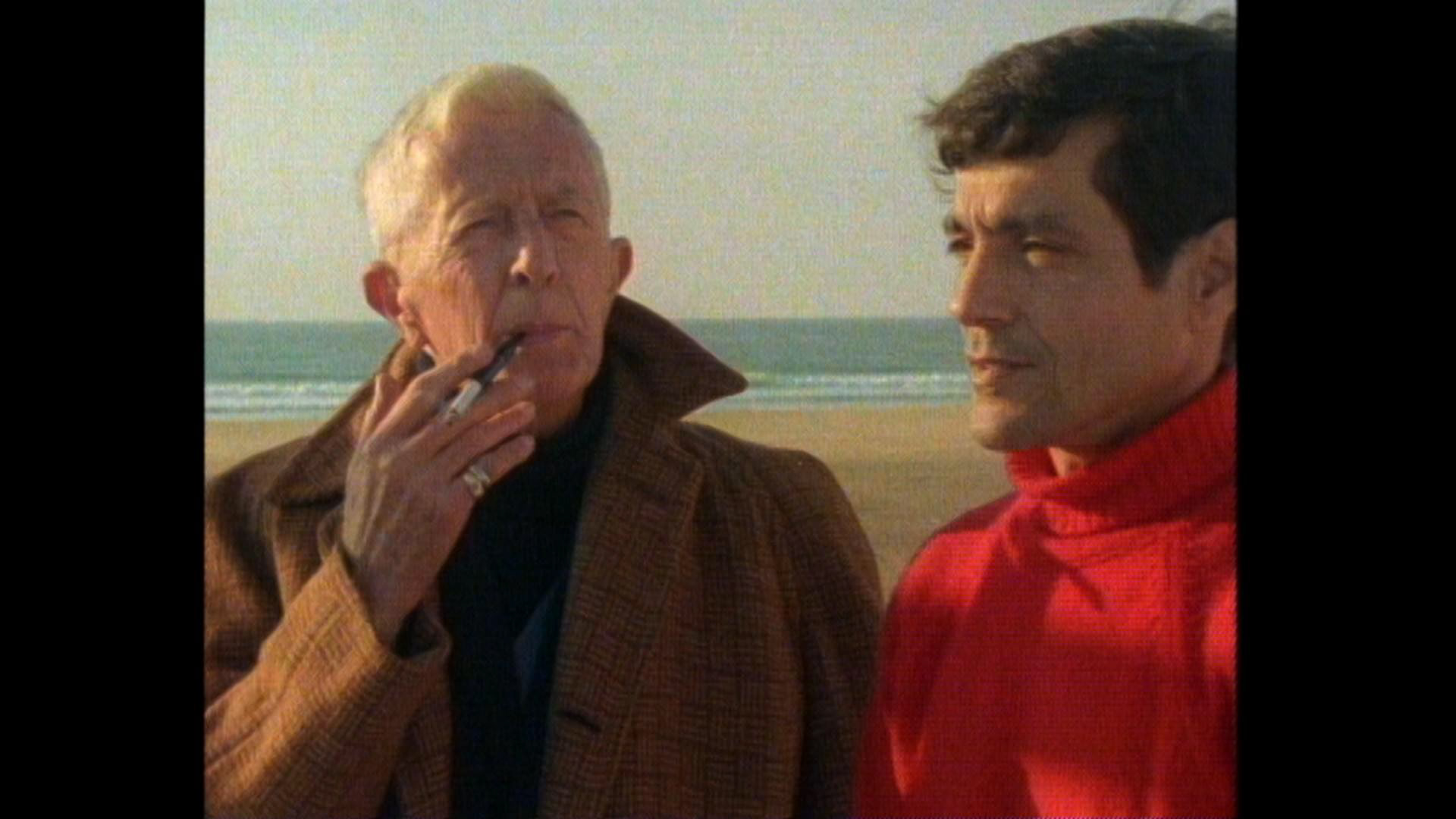
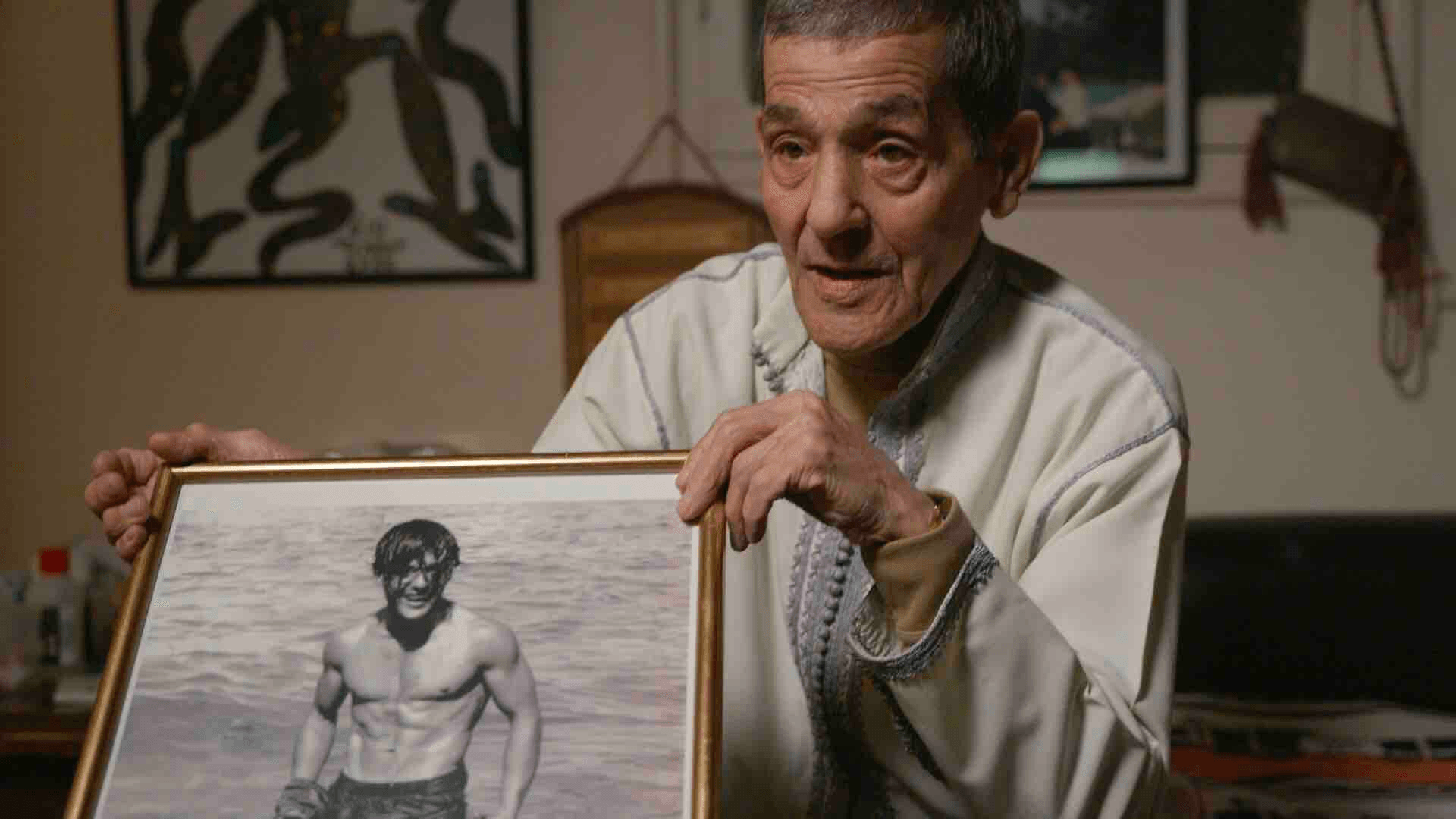
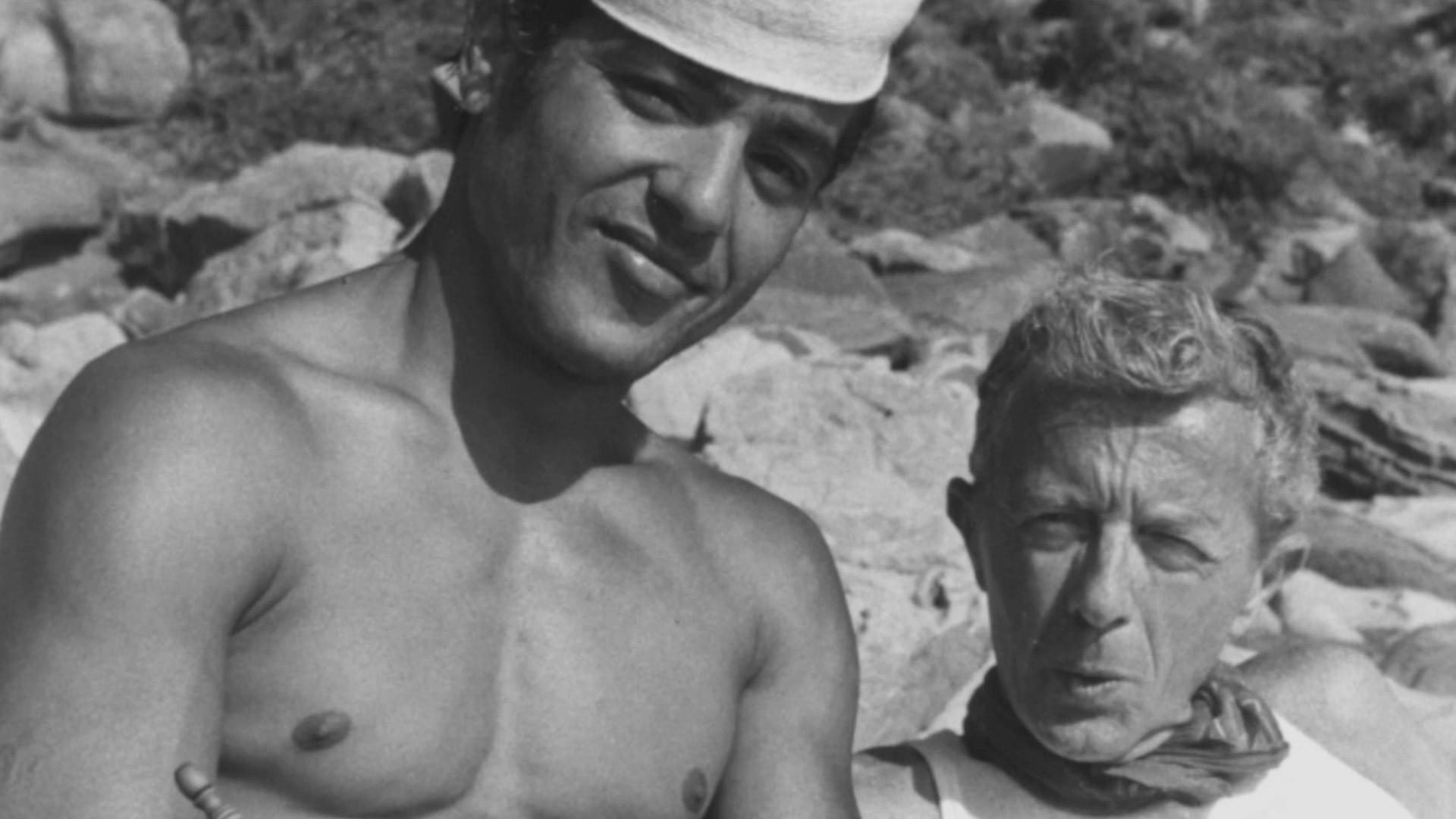
The film tells the story of Mohammed Mrabet, the illiterate storyteller from Tangier, and his complex bond with writer Paul Bowles, who wrote his stories down and turned them into fourteen best-sellers. Two worlds, joined by language and imagination, yet never truly meeting across cultural, colonial and personal borders. Nordin and producer Jos de Putter asked me to shape the imaginative layer of the documentary, both with a camera in Morocco and with AI,to make scenes for stories that can't really be filmed.
This was the start of my journey into generative video. It's a technique in which "impossible" is an outdated concept. But it's also a technique with traps. AI is trained on millions of images with a predominantly Western gaze; the bias is enormous. The strength of working with Nordin is that, with his Moroccan background, he corrects the blind spots I carry as a white, Western maker.
We're at a tipping point in our craft. The question is not whether we'll use AI, but how,with our soul and authorship intact. The film had its world premiere at IDFA.